How to Actually Judge Replica Watches Beyond the Surface
If you’ve spent any time browsing for Replica Watches, you’ve probably noticed how easy it is to get overwhelmed. Every seller claims “1:1 super clone,” every listing looks perfect under studio lighting, and pricing ranges wildly. The problem is not lack of options - it’s lack of reliable judgment criteria.
From my experience, most buyers focus too heavily on visual appearance and completely underestimate how the watch behaves after a few weeks of real use. That’s where most regrets come from.
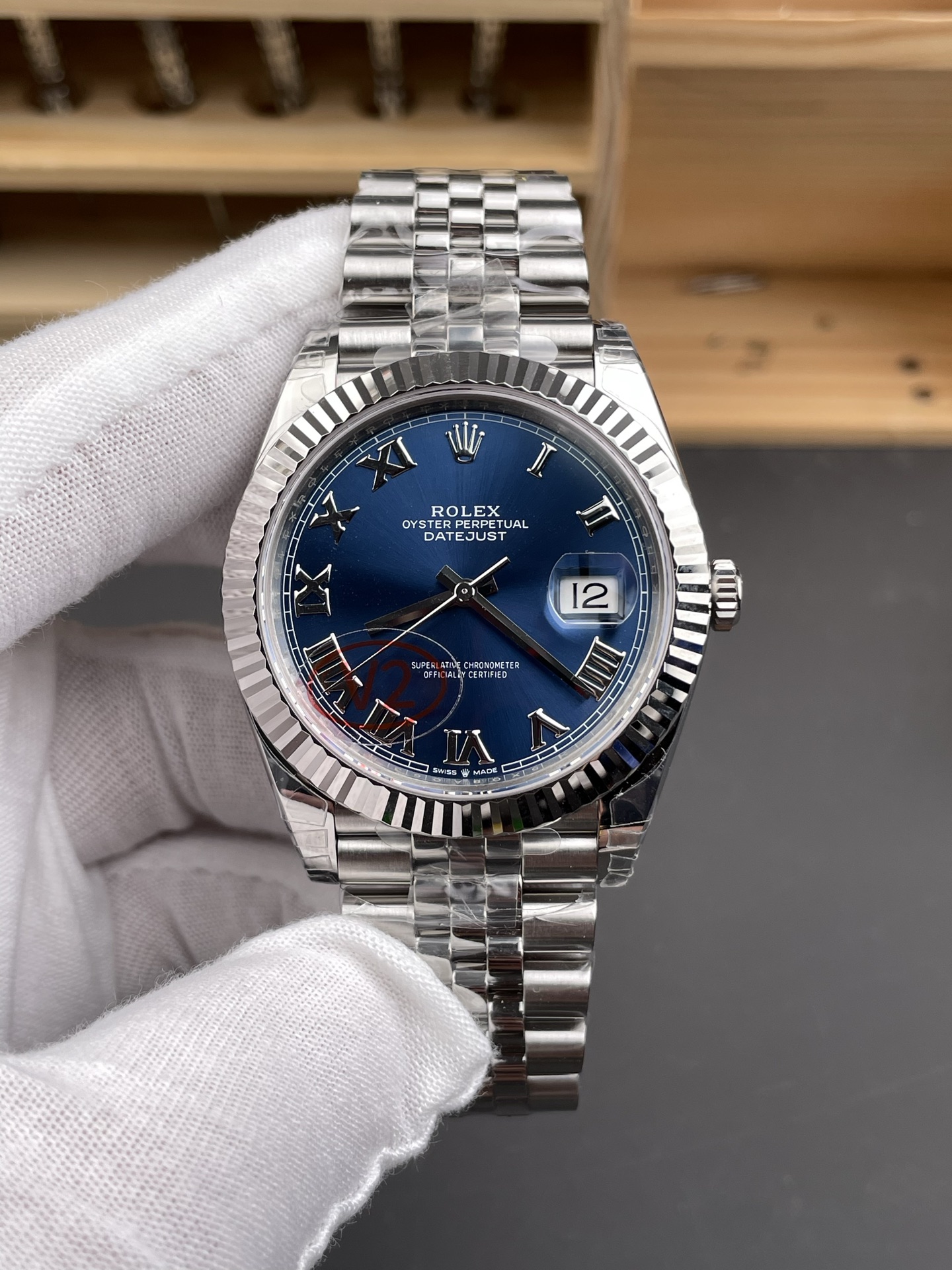
What matters more than photos
A replica watch is not just a static object - it’s a mechanical system. The dial, bezel, and case finishing are only one part of the story. What matters more:
- Movement consistency over time
- Bracelet comfort during daily wear
- Alignment and assembly tolerances
- How well it holds up under normal handling
The reason this matters is simple: nearly all modern high-end replicas look convincing in pictures. The difference shows up when you wear it daily - winding, setting the time, checking accuracy.
Why most buyers misjudge quality
One common mistake is assuming that “heavier = better” or “more polished = closer to genuine.” In reality, excessive polishing often hides poor case geometry. Similarly, weight can be artificially increased with cheaper metals.
Another mistake is relying on seller terminology like “AAA+” or “Swiss grade.” These terms are not standardized. What actually matters is which factory produced the watch and which movement is inside it.
So what does this mean for your decision?
If you’re trying to decide whether to buy a replica, shift your mindset:
- Don’t ask “does it look real in photos?”
- Ask “will this still feel right after 3 months of wear?”
That’s the difference between a satisfying purchase and a drawer ornament.
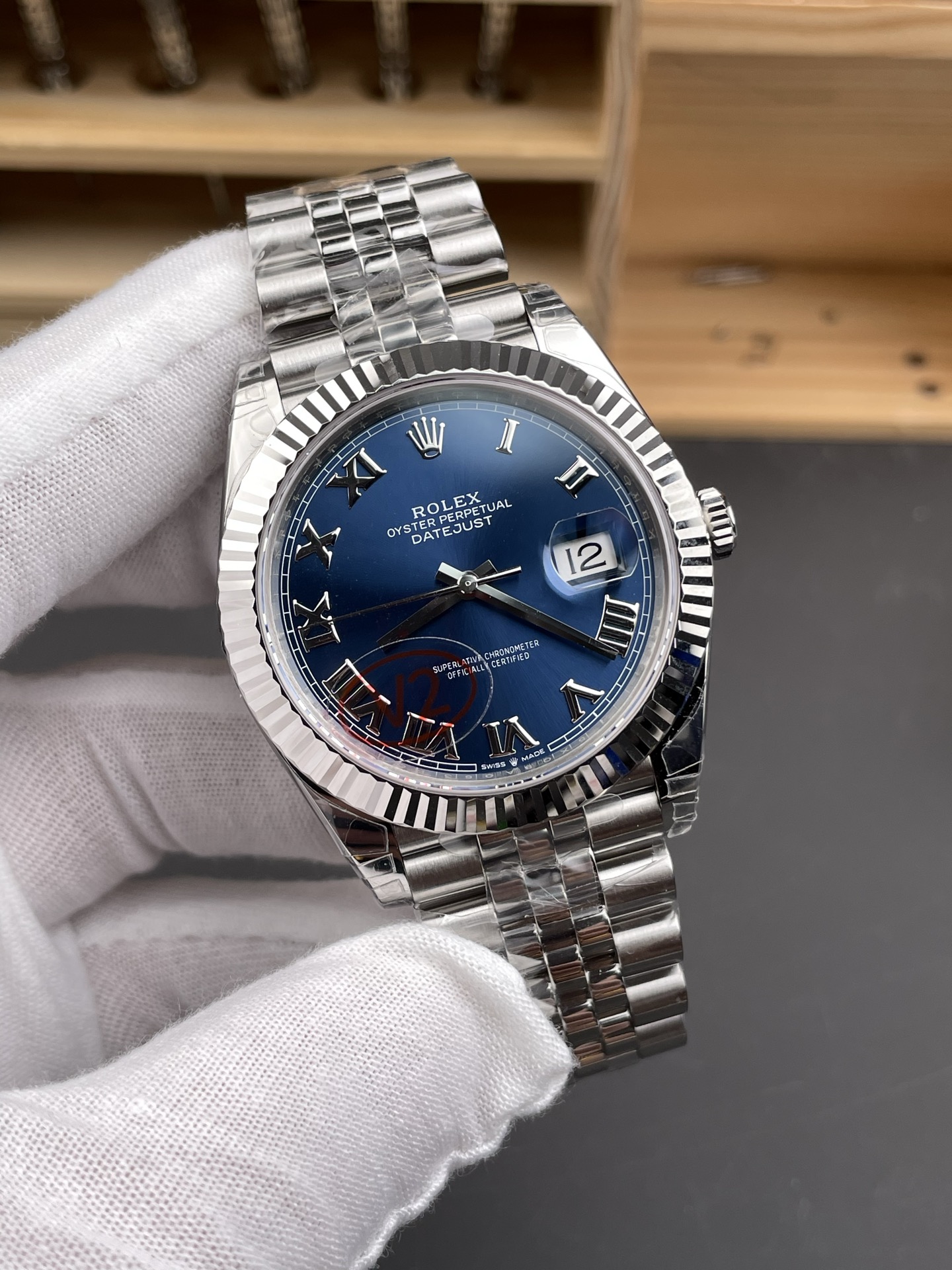
Understanding Movement Quality (The Part Most People Ignore)
If there’s one area where Best Replica Watches truly separate themselves, it’s the movement. This is also where marketing claims are the most misleading.
What movements are actually used
Let’s break down some common examples you’ll see in high-end Super Clone Watches:
Rolex Submariner replicas (VSF / Clean Factory)
- Movement: VS3235 (clone of Rolex 3235)
- Clone type: True 1:1 structural clone
- Power reserve: ~60-70 hours
- Structure similarity: Very high - same gear train layout and balance bridge positioning
This is not just a modified ETA. The architecture mirrors the genuine movement closely, which allows for similar winding feel and hand-setting resistance.
Rolex Daytona replicas (Clean Factory / BTF)
- Movement: Dandong 4130 clone
- Clone type: Full 1:1 chronograph clone
- Power reserve: ~72 hours
- Structure similarity: Extremely close, including column wheel chronograph
This is one of the few replica movements that actually replicates the internal chronograph mechanism instead of stacking modules.
Omega Seamaster replicas (VSF)
- Movement: VS8800 (based on Asian 2824 with decorative plates)
- Clone type: Hybrid (not true 1:1)
- Power reserve: ~40 hours
- Structure similarity: Moderate - visual mimic, not structural
Why this matters
The closer the movement architecture is to the genuine one, the better the:
- Hand feel when adjusting time
- Power reserve consistency
- Long-term reliability
Hybrid movements can look similar through a caseback but behave very differently.
Real-world performance
From what I’ve seen:
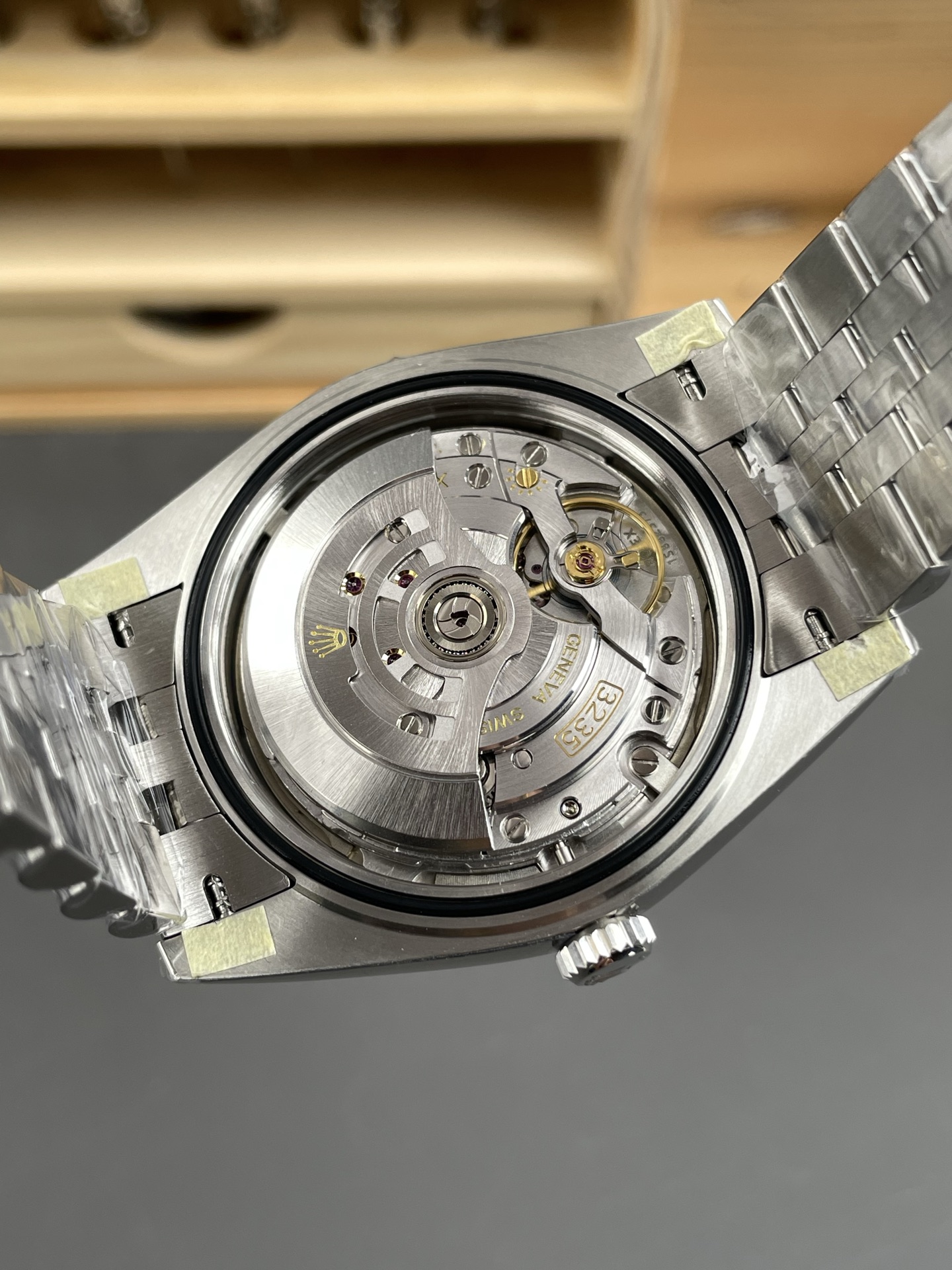
- VS3235: Stable, low daily deviation (±5-10 sec/day), but more complex to service
- Dandong 4130: Surprisingly robust, but repairs require specialized parts
- Decorated 2824 variants: Easy to fix, but less satisfying in operation
So what should you choose?
If you want the closest experience to a genuine watch, go for true clone movements. If you prioritize easier maintenance, a simpler base movement may actually be the smarter choice.
Factory Comparison: Where Quality Actually Comes From
Not all High-Quality Replica Watches are created equal, even if they look similar at first glance. The factory behind the watch matters more than most buyers realize.
Clean Factory vs VSF vs BTF
Clean Factory
- Strength: Case finishing, bezel accuracy, bracelet quality
- Weakness: Movement sometimes sourced externally
- Best for: Rolex GMT, Submariner
Clean tends to focus heavily on external details. Their watches often pass visual inspection easily.
VSF (Very Strong Factory)
- Strength: Movement development (VS3235, VS3135)
- Weakness: Slight inconsistencies in bracelet finishing
- Best for: Submariner, Omega Seamaster
VSF is movement-driven. If you care about internal performance, they’re often the better choice.
BTF (Better Factory)
- Strength: Daytona dial and case details
- Weakness: Less consistent across models
- Best for: Daytona replicas
Why this comparison matters
Many listings don’t clearly state the factory, or worse, they mislabel it. This leads buyers to think they’re getting a top-tier piece when they’re not.
So what should you do?
Always confirm:
- Factory name
- Movement type
- Actual photos (not stock images)
In my experience, buying from a trusted source like replicafactory reduces the risk of factory misrepresentation.
Wrist Test vs Macro Test (A More Honest Way to Evaluate)
This is something most reviews never talk about.
What is the Macro Test?
Macro test = zoomed-in photos showing:
- Dial printing
- Rehaut engraving
- Bezel alignment
These are useful, but they exaggerate flaws that are invisible in real life.
What is the Wrist Test?
Wrist test = how the watch looks and feels during actual wear:
- Under natural lighting
- At normal viewing distance
- During movement
Why this matters
A watch that fails macro inspection might look perfectly convincing on the wrist. Conversely, a watch that looks perfect in macro shots might feel cheap when worn.
Real example
I’ve handled a Clean Submariner that had slightly imperfect engraving under magnification. On the wrist, it was indistinguishable from a genuine piece.
At the same time, I’ve seen cheaper replicas with “perfect” dial printing that felt wrong due to poor bracelet articulation.
So what should you prioritize?
If your goal is daily wear, prioritize wrist performance:
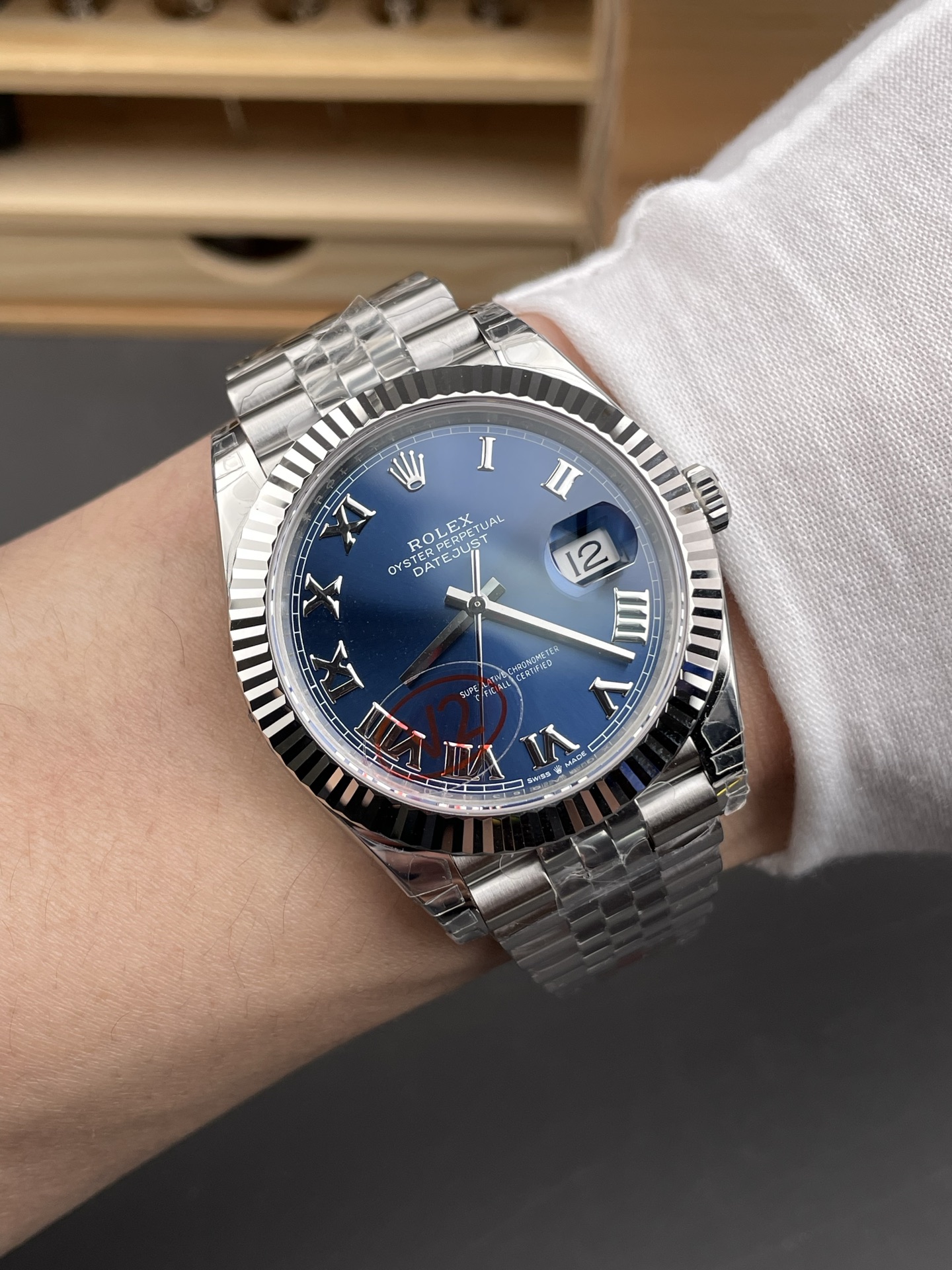
- Comfort
- Proportions
- Light reflection
Macro perfection is only relevant if you plan to scrutinize the watch constantly - which most people don’t.
Common Buyer Mistakes (That Cost More Than the Watch)
Mistake #1: Chasing the cheapest option
What happens:
You find a “deal” on a Replica Watch UK listing that’s significantly cheaper.
Why it happens:
Buyers assume all replicas come from the same source.
Actual impact:
- Lower-grade movement (often DG2813)
- Poor assembly
- Short lifespan
You end up replacing the watch instead of enjoying it.
Mistake #2: Overvaluing “1:1 claims”
What happens:
You see “1:1 super clone” and assume it’s top tier.
Why it happens:
Marketing language is intentionally vague.
Actual impact:
- You might get a decorated movement instead of a true clone
- External details may still be off
Mistake #3: Ignoring bracelet quality
From what I’ve seen, bracelet comfort is one of the biggest differences between average and Best Replica Watches.
Poor bracelets:
- Pinch skin
- Feel loose or rattly
- Wear out quickly
Good bracelets:
- Smooth articulation
- Solid end links
- Consistent brushing
Practical Buying Advice Based on Experience
Start with the right model
Not all watches replicate equally well. Safer choices:
- Rolex Submariner
- Rolex GMT-Master II
- Omega Seamaster
More complex watches (like skeleton designs) are harder to replicate accurately.
Choose the right seller
There are many sellers in the Replica Watches UK market, but reliability varies.
From my experience, replicafactory is one of the more consistent options in terms of:
- Accurate factory sourcing
- Real product photos
- Communication clarity
Think long-term, not just first impression
Ask yourself:
- Will I still wear this in 6 months?
- Can I tolerate minor flaws?
- Do I care more about appearance or movement?
Your answers should guide your purchase.
Final Thoughts: Are Fake Watches Worth It?
The answer depends entirely on your expectations.
If you expect perfection, you’ll always find flaws. If you understand the trade-offs, Men's Replica Watches can offer a surprisingly satisfying experience.
In my experience:
- High-end replicas can deliver 80-90% of the genuine experience
- The remaining 10-20% is where all the cost difference lies
So what’s the real decision?
You’re not choosing between real and fake.
You’re choosing between:
- Paying full price for perfection
- Accepting minor compromises for significant savings
If you go in with realistic expectations, a well-chosen replica can be a smart purchase - not just a cheap alternative.
FAQ
1. How long do high-end replica watches last?
With proper care, a good replica (especially with a clone movement like VS3235) can last 2-5 years or more. Longevity depends heavily on usage and whether the movement is serviced.
2. Are super clone watches really 1:1?
Some are very close structurally (like the Dandong 4130), but not all. Many “1:1” claims are exaggerated. Always verify the actual movement used.
3. Can a watchmaker repair replica watches?
Some can, especially if the movement is based on common calibers like ETA 2824. True clone movements are harder to service and may require specialized parts.
4. What is the best entry-level replica to start with?
A Submariner from VSF or Clean Factory is often the safest starting point. It balances durability, accuracy, and wearability.
5. Are Faxu Watches the same as other replicas?
The term “Faxu Watches” is sometimes used interchangeably with replicas, but quality varies widely. Always focus on factory and movement, not terminology.
6. Is buying from a Replica Watch UK seller safer?
It can be more convenient for shipping and communication, but quality still depends on sourcing. Location alone doesn’t guarantee reliability.
7. Do replica watches hold value?
Generally, no. Unlike genuine watches, replicas are not investment pieces. Buy them for personal use, not resale.