What You Actually Get When You Buy a "High-End" Replica Rolex
If you're searching for the best replica watches in the UK, it's easy to assume all high-end replicas are basically the same.
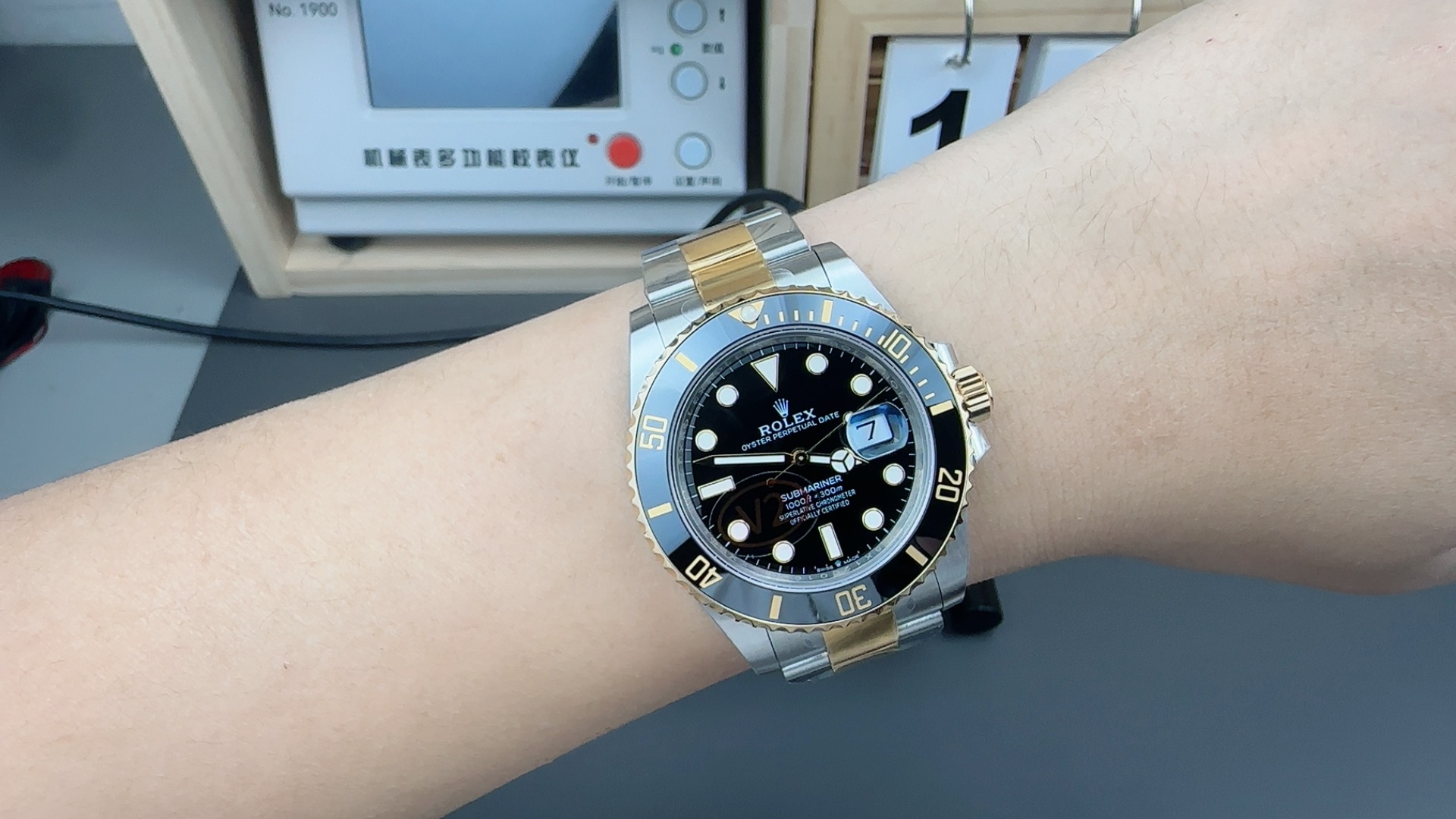
In my experience, the gap between a $150 "rolex fake" and a $500+ top factory piece is massive, and not just in finishing. What you're really paying for is how closely the watch mimics the original in three key areas: case proportions, dial execution, and movement architecture.
Most sellers will throw around terms like "AAA", "1:1", or "Swiss grade". These labels mean very little on their own. The real difference comes down to which factory produced the watch. Factories like Clean, VSF, and GMF have spent years refining specific Rolex models. Others are just assembling parts to look decent in photos.
Why does this matter? Because the actual experience of wearing the watch depends on these details. A poorly made Submariner might look acceptable in product images, but on the wrist, the bezel action feels loose, the bracelet rattles, and the dial printing lacks depth. You notice it every day.
The practical impact is simple: if you're buying based only on price or marketing terms, you'll likely end up replacing the watch within a year. Spending more upfront on a proven factory model usually means you can wear it confidently for several years without issues.
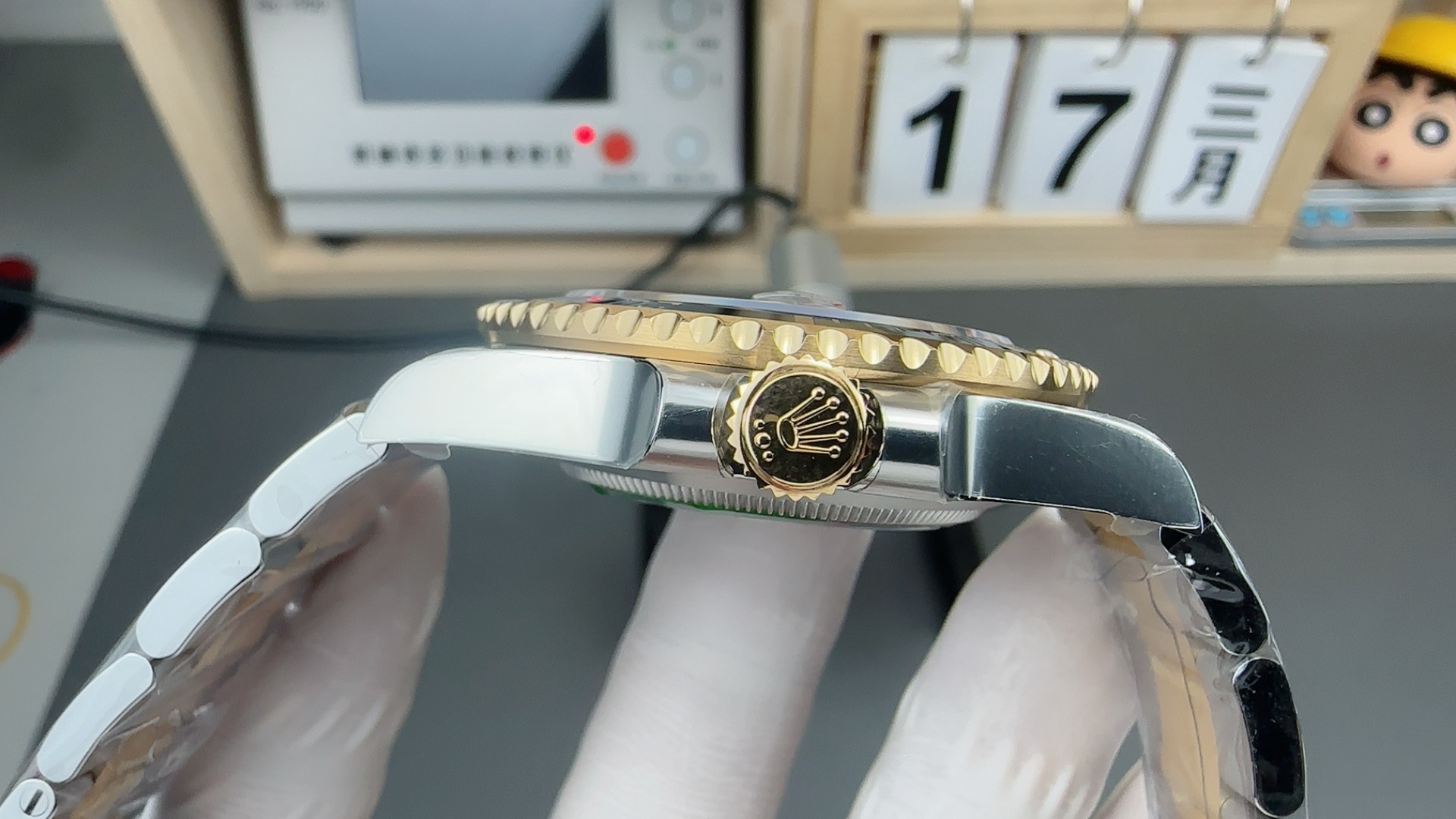
One thing I've consistently seen is that buyers underestimate how much tactile feedback matters. The click of the bezel, the resistance of the crown, the weight distribution on the wrist — these are things you cannot judge from pictures, but they define whether the watch feels convincing or cheap.
Movement Reality: What's Inside Matters More Than You Think
The movement is where most people either overestimate or misunderstand what they're buying.
Let's take a common example: Rolex Submariner replicas using the VS3235 or VR3235 movement.
VS3235 vs VR3235 vs Cheap Clones
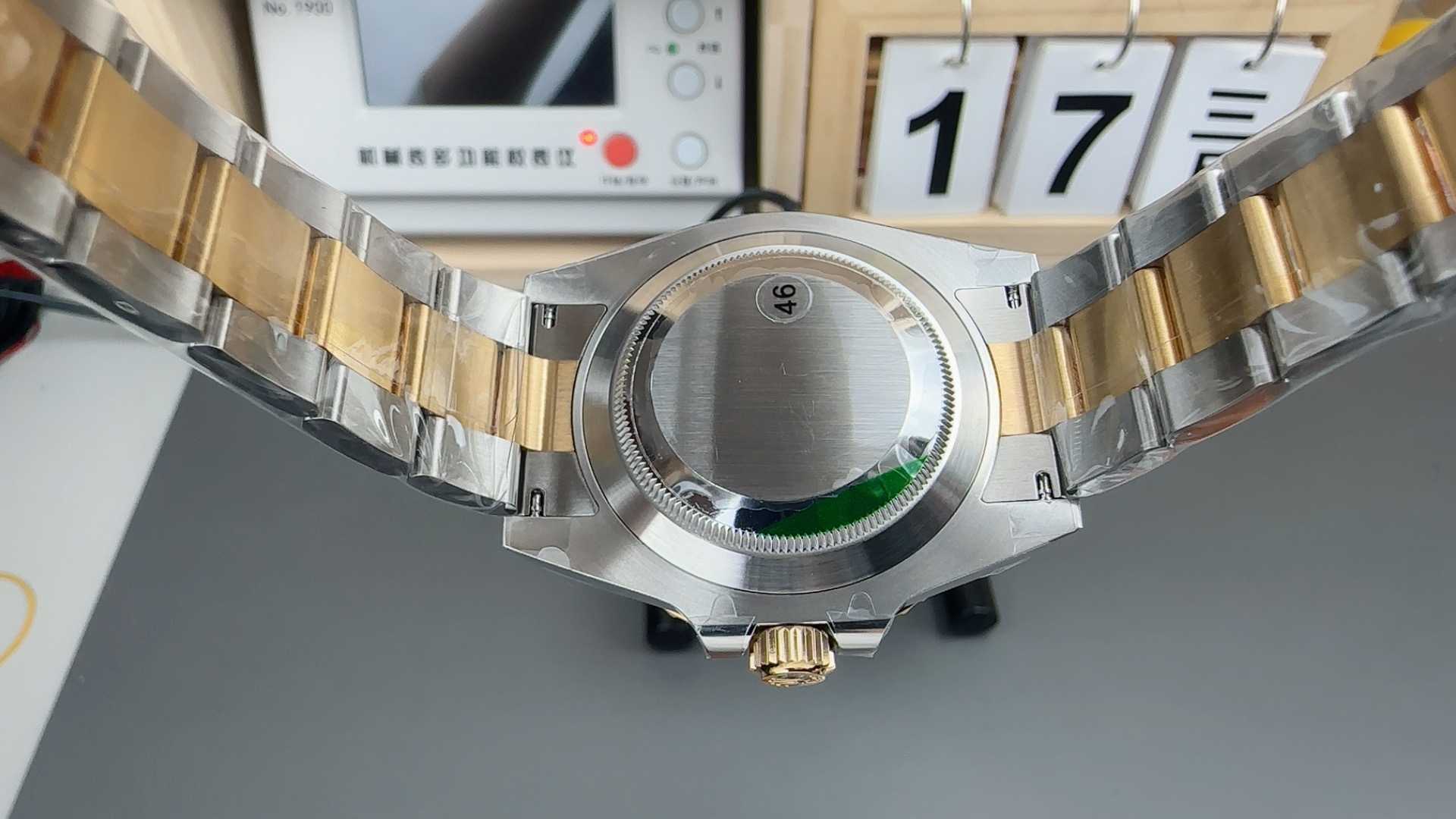
The VS3235 is currently one of the closest 1:1 clone movements available for modern Rolex models. It's designed to replicate the Rolex Caliber 3235 in both layout and function. The gear train, rotor direction, and even the balance bridge structure are visually very close to the original.
- Clone level: true 1:1 architecture (not just decorated)
- Power reserve: around 60–70 hours
- Stability: very good in daily wear
- Serviceability: moderate difficulty, parts are somewhat available
The VR3235 is slightly less refined but still solid:
- Clone level: partial clone, some internal differences
- Power reserve: around 50–60 hours
- Stability: decent, but not as consistent as VS
- Serviceability: easier due to simpler structure
Then you have cheaper movements like the Asian 2813 or basic 2824 clones:
- Clone level: not a Rolex clone at all
- Power reserve: 36–40 hours
- Stability: inconsistent
- Serviceability: easy, but often not worth repairing
Why does this matter? Because movement architecture affects not just accuracy, but long-term usability. A true clone movement like VS3235 allows correct hand stack, smoother winding, and more realistic rotor sound.
The real-world impact is this: if you plan to wear the watch regularly, a proper clone movement saves you from constant resetting, weird noises, or premature failure. If it's just for occasional wear, a cheaper movement might be acceptable.
One common mistake is assuming "Swiss movement" automatically means better. In the replica world, that's often just a marketing label. A well-made Chinese clone like VS3235 is usually more accurate to Rolex than a random Swiss ETA inside a rep.
Factory Comparison: Where Quality Actually Comes From
If you're trying to decide between different rolex fake options, factory choice is more important than the model itself.
Clean vs VSF vs GMF
From what I've seen:
Clean Factory
- Best for: Daytona, GMT-Master II
- Strengths: case finishing, bezel alignment, crystal clarity
- Weakness: movement not always top-tier
VSF (Very Strong Factory)
- Best for: Submariner, Datejust
- Strengths: movement (VS3235), crystal (especially sapphire clarity), dial depth
- Weakness: availability can be inconsistent
GMF
- Best for: Day-Date, older models
- Strengths: variety, decent finishing
- Weakness: movement not as advanced
Why this comparison matters is simple: not all factories excel at every model. Buying a Daytona from VSF or a Submariner from a random factory is a common beginner mistake.
The practical takeaway is that you should choose the factory based on the specific model you want, not the other way around.
Buyer Mistake #1: Judging Quality From Photos Alone
This is probably the biggest trap, especially if you're browsing listings like "fake rolex watches for sale cheap".
Photos are almost always taken under controlled lighting, often with edited contrast and sharpness. Even mediocre counterfeit rolex pieces can look impressive in macro shots.
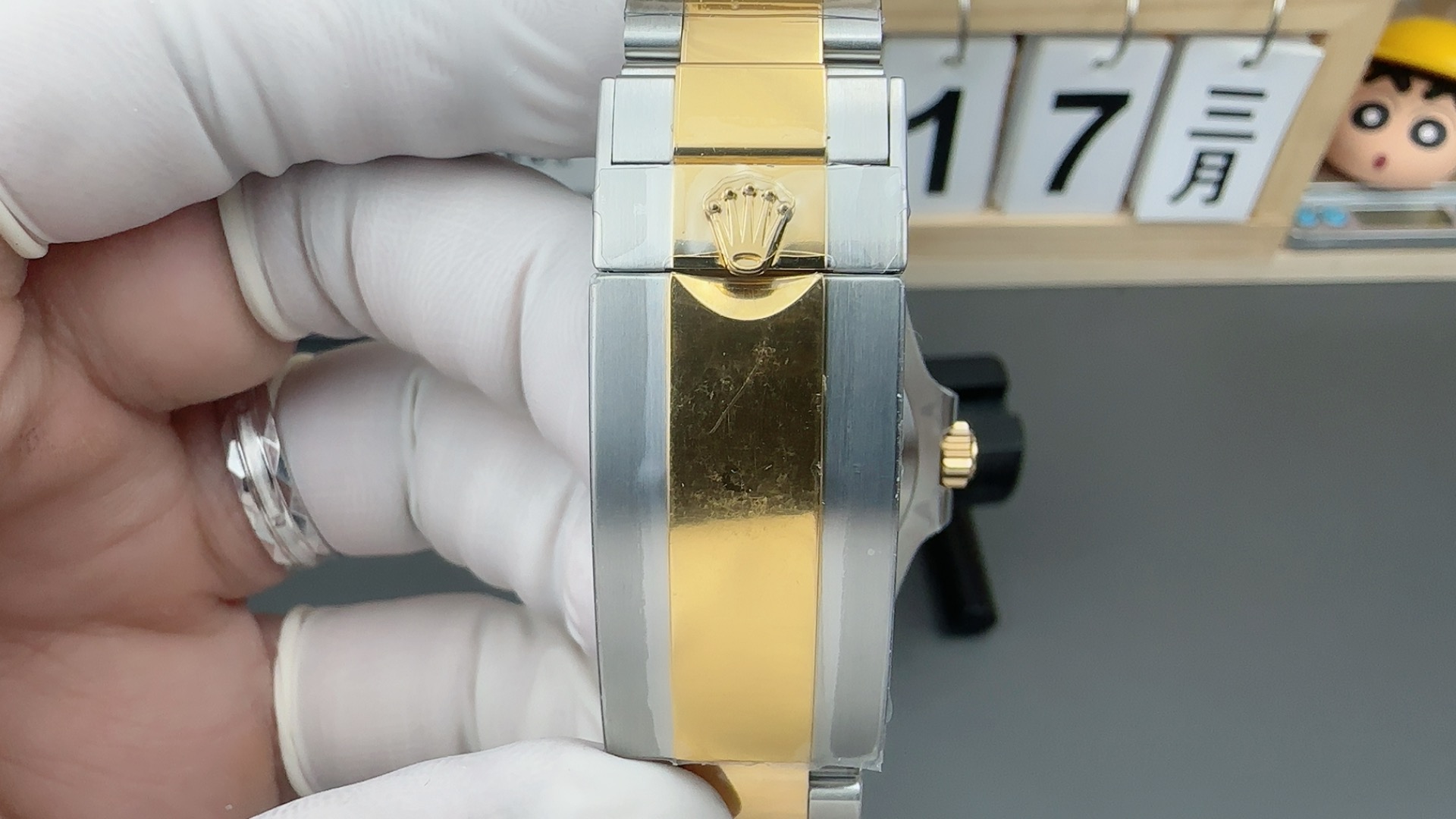
Why Photos Are Misleading
Lighting hides flaws. It smooths out rough polishing, enhances dial texture, and reduces visible misalignment.
In real life:
- Bezel markers might not line up perfectly
- The date window may appear slightly off-center
- The lume color could differ between hands and markers
The Real Impact
If you rely only on photos, you're essentially guessing. That's why experienced buyers look for:
- Real QC (quality control) photos from the seller
- Videos showing movement and bezel action
- Feedback from other buyers
From my experience, trusted sources like replicafactory.is tend to provide more consistent QC than random sellers. That alone reduces a lot of risk.
Buyer Mistake #2: Overvaluing Movement Specs
Many first-time buyers obsess over specs like power reserve or beat rate.
Why Specs Don't Tell the Full Story
On paper, a movement with 70-hour power reserve sounds superior. But in practice, stability matters more.
I've seen watches with impressive specs that still lose time daily because of poor assembly or lubrication.
What Actually Matters
- Consistent timekeeping within +/- 10 seconds per day
- Smooth winding feel
- Quiet rotor behavior
So What?
If you're wearing the watch daily, you won't notice the difference between 60 and 70 hours of reserve. But you will notice if the watch stops randomly or feels rough when adjusting the crown.
The takeaway is simple: prioritize proven movement reliability over theoretical specifications.
Wrist Test vs Macro Test: What Really Reveals Quality
This is something most guides never talk about.
What Is the Macro Test?
This is what you see in close-up photos:
- Dial printing sharpness
- Rehaut engraving alignment
- Bezel numerals
These details matter, but they're not how people see your watch in real life.
What Is the Wrist Test?
This is how the watch looks and feels when worn:
- Proportions on your wrist
- Light reflection on the case
- Bracelet comfort and articulation
Why This Matters
A watch can pass the macro test but fail the wrist test. For example:
- Overly thick case ruins proportions
- Poor bracelet finishing makes it uncomfortable
- Incorrect crystal height affects how light hits the dial
Real-World Impact
In daily life, 99 percent of people see your watch from a distance of 1–2 meters. They're not inspecting the dial under magnification.
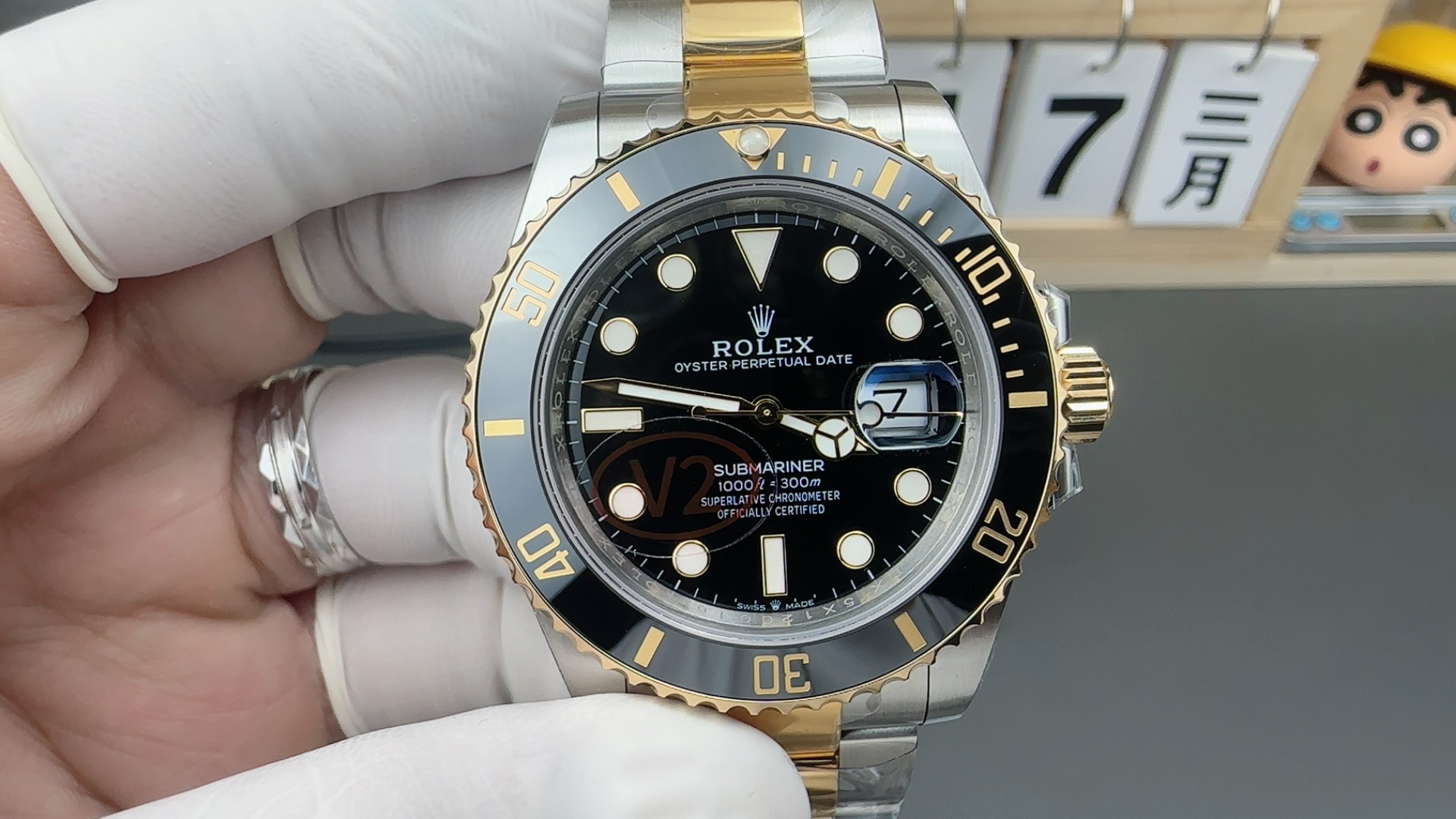
So what actually makes a rolex look alike convincing is:
- Correct case shape
- Balanced proportions
- Natural wrist presence
This is why experienced buyers focus more on overall build than microscopic perfection.
Where to Buy Replica Rolex Watches in the UK Without Getting Burned
The question of where to buy fake rolex comes up constantly, and the honest answer is that most sources are unreliable.
What to Look For in a Seller
- Transparent factory naming (Clean, VSF, etc.)
- QC photos before shipping
- Consistent communication
- History of fulfilled orders
My Experience
After trying multiple sources, replicafactory.is has been one of the more consistent ones in terms of:
- Sending actual factory versions (not bait-and-switch)
- Providing usable QC images
- Delivering within reasonable timeframes
That doesn't mean it's risk-free, but compared to random sellers offering "rolex aaa" or "knockoff rolex" listings with no details, it's significantly safer.
So What?
Buying from the wrong seller often results in:
- Receiving a lower-tier factory version
- Poor finishing not shown in photos
- No support if something goes wrong
Choosing the right source reduces these risks dramatically.
Should You Actually Buy One? A Practical Conclusion
If your goal is to own something that feels close to a real Rolex on the wrist, high-end replicas can deliver that experience surprisingly well.
But they're not perfect, and they're not for everyone.
From what I've seen, a good replica makes sense if:
- You care about aesthetics and wrist presence
- You're realistic about durability and servicing
- You're willing to spend enough for a top factory
It doesn't make sense if:
- You expect genuine-level longevity
- You're uncomfortable with maintenance uncertainty
- You're buying purely for status validation
The difference between a disappointing purchase and a satisfying one usually comes down to expectations and factory choice, not just price.